NVIDIA Prioritises AI, Delays Gaming GPU Architecture to 2028
NVIDIA defers its Kyber gaming GPU architecture launch to 2028, reallocating memory resources to Artificial Intelligence hardware amidst high demand.
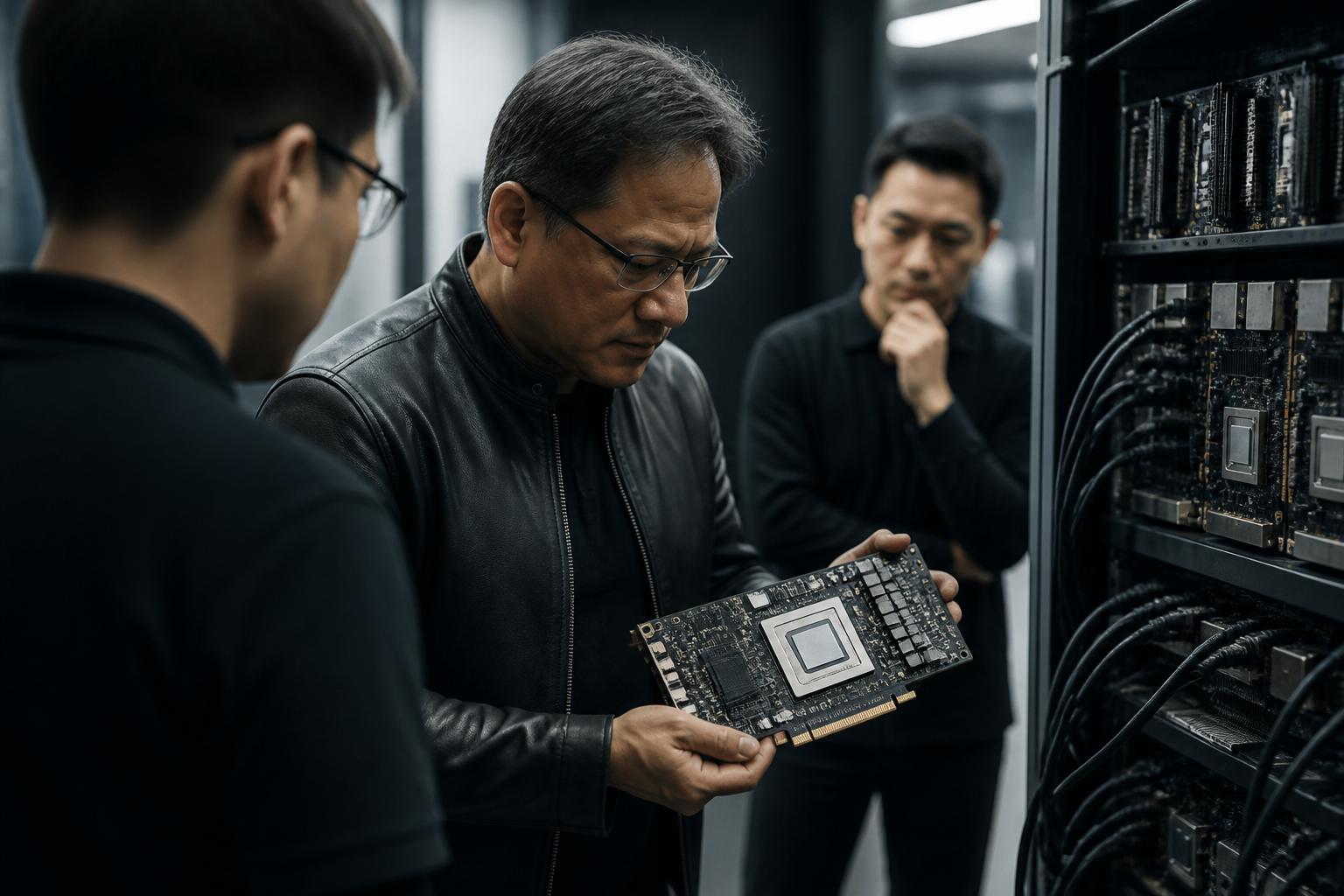
NVIDIA's next-generation gaming graphics processing unit (GPU) architecture, codenamed Kyber, will reportedly see its launch delayed until 2028. This postponement follows a broader industry trend where the burgeoning demand for AI infrastructure strains component supply chains. The delay in Kyber's release, initially anticipated for earlier deployment, reflects a strategic shift by NVIDIA to prioritise resources for its lucrative artificial intelligence accelerator business.
Industry analysts indicate that the global memory chip shortage, particularly for high-bandwidth memory (HBM), is the primary driver behind this schedule adjustment. HBM is integral to advanced AI accelerators, including NVIDIA's Hopper and Blackwell architectures. These components are critical for training large language models and other compute-intensive AI workloads. The current memory supply constraints necessitate a reallocation of available HBM, favouring AI enterprise solutions over consumer gaming products.
This strategic pivot underscores the substantial financial incentives in the AI sector. NVIDIA's data centre revenue, largely derived from AI GPUs, has become its dominant income stream. The company maintains a significant market share in AI accelerators, fostering continued investment in this domain. Consequently, consumer gaming divisions face resource limitations as the corporation focuses on high-margin AI hardware.
The delay of the Kyber architecture impacts the future of NVIDIA's gaming product roadmap. Gamers will consequently experience an extended wait for new GPU generations offering significant performance uplifts. This situation raises questions about the long-term balance between NVIDIA's AI and gaming divisions, and the potential for other GPU manufacturers to capitalise on the vacuum in the consumer market. How might this strategic realignment influence the competitive landscape of the GPU market?
More from The Singularity Times
- Chinese AI Labs Anchor Recursive Self-Improvement to Industrial Policy23 Oct 2026 · 16:31 UTC
- Jack Clark Warns IMF That Technological Singularity Is Underway23 Oct 2026 · 16:31 UTC
- AI Infrastructure Buildout Clashes With Grid Interconnection Delays23 Oct 2026 · 16:31 UTC
- Token Throughput Disparity Emerges as Core Metric in US-China AI Rivalry23 Oct 2026 · 16:31 UTC
- Honolulu Civil Beat Restricts Generative AI to Back-Office Data Tasks23 Oct 2026 · 16:31 UTC